Be yourself; Everyone else is already taken.
— Oscar Wilde.
This is the first post on my new blog. I’m just getting this new blog going, so stay tuned for more. Subscribe below to get notified when I post new updates.
Be yourself; Everyone else is already taken.
— Oscar Wilde.
This is the first post on my new blog. I’m just getting this new blog going, so stay tuned for more. Subscribe below to get notified when I post new updates.
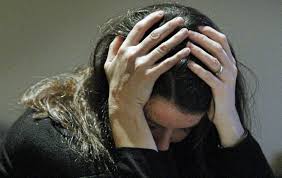

Imagine you are being bullied at work and it has caused you to anxious everytime you think about returning to work…
Imagine you are scared to be alone because when you are darkness seeps in and you are plagued by your deepest, darkest voice to is telling you to hurt yourself..
Imagine you hurt your leg during an incident at work and you are struggling to complete day to day tasks..
Well this is something thousands of Australians are experiencing – every – single -day.
Australians are suffering from mental and physical illnesses and this has become an ongoing problem and more should be done to support those who are affected by it.
Mental health is problem amongst many of Australians and there’s not enough being done about it.

The most common mental illnesses are depression, anxiety and substance use disorder.
These three types of mental illnesses often occur in combination. For example, a person with an anxiety disorder could also develop depression, or a person with depression might misuse alcohol or other drugs, in an effort to self-medicate.
THis is also an issue for character within the play No Sugar by Jack Davis, the character Billy Kimberly suffers from a mental illness of depression, anxiety and post-traumatic stress form the events that occurred during the white settlement where his whole family and tribe were taken out and he was the very few from his tribe who stayed alive, “not like my country, finish….finish”.. “kill ’em. Finish, kill ’em. Big mob, 1926, kill ’em big mob my country” (pg 61)
He also had stockholm syndrome which causes hostages to develop a psychological alliance with their captors as a survival strategy during captivity.
Did you know that one in five (20%) Australians aged 16-85 experience a mental illness in any year.. Of the 20% of Australians with a mental illness in any one year, 11.5% have one disorder and 8.5% have two or more disorders. Almost half (45%) Australians will experience a mental illness in their lifetime .
the link between the play and real world issues are connected and can be shown through billy and many australian who are suffering from mental illnesses and is an ongoing issue in today’s society.
Health challenges facing australian communities
Many Australians suffer from a physical health problems and those fellow Australians who live in rural areas do not have access to the basic rights to medical care.
This is an ongoing issue and the Australian Government should do more. Aboriginals who live in rural areas do not have proper access to the medical that’s needed therefore resulting in a high death toll within the aboriginal community.
This is also a prominent issue in the text No Sugar for Jimmy Munday suffered from a heart disease which was not treated by health services because he was an aboriginal, when Mary screams out for help Neal only responds with “[to the whites] Ah! He’s only fainted” (Pg 94).
Health care should be available for all Australians
One in 2 (50%) Australians are estimated to have at least 1 of 8 selected common chronic conditions: cancer, cardiovascular disease, mental health conditions, arthritis, back pain and problems, chronic obstructive pulmonary disease, asthma and diabetes.
Australia not doing enough to support the victims suffering from mental health problems.
Ways to support. Solutions for Australians suffering from mental and physical health problems. Ways we can combat it

Mental health problems and mental illness, in turn, are risk factors for suicide. Other clinical indicators, such as a previous history of self-harm, are also recognised as being associated with a heightened risk of suicide. The risk factors for suicide are complex, and the interactions between them are poorly understood.
An array of social factors such as poverty, which the Aboriginal characters experience in No Sugar, “we got no meat for dinner or supper” (Pg 11) and having no soap to clean with “what am I going to wash with? How can I keep my kids clean and sen’ them to school” (Pg 16) Gran says.
As well as recent stressful life events may also elevate the risk of suicide, particularly when combined with underlying vulnerabilities. Certain population groups are recognised as being at particularly high risk, including young males, Aboriginal and Torres Strait Islander peoples, people living in rural areas and prisoners.
How can Australia do more?
Improve access to mental healthcare and encourage the development of novel drugs and therapies for the treatment of mental health conditions
Successful mental health treatment should combine behavioural and psychological interventions with other medical ones when appropriate. Unfortunately, many of those who need treatment do not receive it because they live in areas of low access, or simply cannot afford medication.
It is estimated that about 75% of people in LMICs have no access to mental health treatment. Even in an advanced economy such as the US, it is estimated that one in five adults with a mental illness are not able to get the treatment they need. And this alarming number only includes individuals who are actually seeking treatment but facing barriers to getting it.
This relevant to the world real because there are many Australians suffering from mental and physical health problems without the adequate support and solutions to overcome their diseases/problems.
Australia should provide free medical assistance to all victims of health problems and should provide cheap and affordable solutions to combat it.
Australia should also make sure that there is accesses to the medical care needed in all areas throughout Australia.
Australia must do more to provide for fellow Australians suffering from mental and physical health issues and we as Australia need to do more to make sure it happens.
Jama Abdi
Published: 28.6.19
This is an example post, originally published as part of Blogging University. Enroll in one of our ten programs, and start your blog right.
You’re going to publish a post today. Don’t worry about how your blog looks. Don’t worry if you haven’t given it a name yet, or you’re feeling overwhelmed. Just click the “New Post” button, and tell us why you’re here.
Why do this?
The post can be short or long, a personal intro to your life or a bloggy mission statement, a manifesto for the future or a simple outline of your the types of things you hope to publish.
To help you get started, here are a few questions:
You’re not locked into any of this; one of the wonderful things about blogs is how they constantly evolve as we learn, grow, and interact with one another — but it’s good to know where and why you started, and articulating your goals may just give you a few other post ideas.
Can’t think how to get started? Just write the first thing that pops into your head. Anne Lamott, author of a book on writing we love, says that you need to give yourself permission to write a “crappy first draft”. Anne makes a great point — just start writing, and worry about editing it later.
When you’re ready to publish, give your post three to five tags that describe your blog’s focus — writing, photography, fiction, parenting, food, cars, movies, sports, whatever. These tags will help others who care about your topics find you in the Reader. Make sure one of the tags is “zerotohero,” so other new bloggers can find you, too.

 Australia must do more!